


When Should You Replace Your Water Heater? 7 Signs It May Be Time

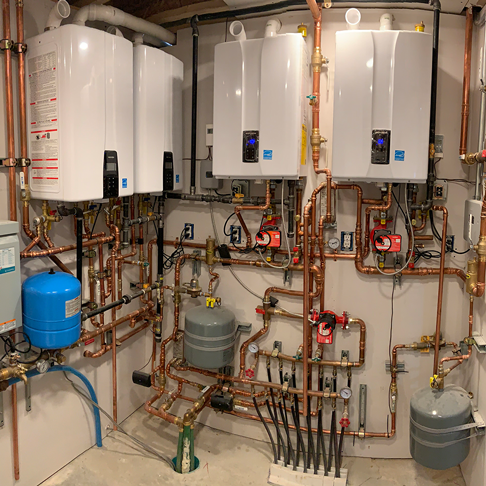
You never realize how much you rely on hot water until you don't have it.
When a water heater stops working, it's easy to assume you need a new one. But that's not always the case. Some water heater problems can be repaired, while others are a pretty clear sign that replacement is the better investment.
At Steve Ray Plumbing, our first step is figuring out what's actually wrong. We've helped customers who thought they needed a new water heater but had a repairable problem. We've also worked with homeowners and businesses whose water heaters were still technically working, but were showing enough warning signs that waiting for complete failure didn't make sense.
The important thing is knowing the difference.
Here are seven signs that can help you determine when it may be time to replace your water heater.
1. Your Water Heater Is Getting Older
Age matters when we're evaluating a water heater, but we don't recommend replacement based on age alone. Two water heaters of the same age can be in very different condition. How much hot water your household uses, the condition of the tank and its components, previous repairs, maintenance, and other factors all affect how well a system holds up.
An older water heater that's working properly may still have useful life left. But when an aging unit starts leaking, struggling to keep up, or requiring repeated repairs, its age becomes a much bigger part of the conversation.
If you don't know how old your water heater is, look for the manufacturer's label. The serial number or manufacturing information can often help determine when it was made.
2. You're Running Out of Hot Water Faster Than You Used To
If your morning routine hasn't changed but suddenly you're running out of hot water halfway through it, something isn't right.
A loss of hot water capacity can happen for several reasons. Sediment buildup may reduce the usable space inside a tank. An electric heating element could be failing. A gas unit may have an issue that's keeping it from heating properly.
It's also possible that your household has simply outgrown the water heater. That's why we don't look at a lack of hot water and immediately recommend replacement. We want to determine why the water heater isn't keeping up.
If replacement does make sense, that's also a good time to reconsider what your home actually needs instead of automatically installing the same size and type of water heater that was there before.
3. Your Water Temperature Has Become Inconsistent
Your hot water shouldn't keep you guessing. If it goes from hot to lukewarm, takes much longer to heat, or isn't reaching the temperature it used to, the water heater should be checked.
The cause could be a repairable component, such as a thermostat or heating element. It could also be related to sediment or deterioration within an older system. This is where the age and overall condition of the unit matter.
Replacing a failed component on an otherwise dependable water heater can make perfect sense. Continuing to replace parts on a unit that's developing one problem after another may not. We look at the whole picture before recommending one direction or the other.
4. Your Water Heater Is Making New or Unusual Noises
Some operating noise is normal. New popping, rumbling, banging, or other unusual sounds deserve attention.
These noises can sometimes be associated with sediment collecting at the bottom of a tank. As the water heater continues operating, that buildup can affect how efficiently the unit heats water and may put additional stress on the system.
Noise by itself doesn't automatically mean it's time for a new water heater. But if the unit is older and you're also experiencing inconsistent temperatures, reduced hot water, leaks, or other problems, those symptoms together can tell us much more than any one of them alone.
5. There's Water Around the Water Heater
This is one warning sign we don't recommend ignoring. If you notice water around the bottom of your water heater, the first thing we need to determine is where it's coming from.
A leaking connection or certain components may be repairable. A tank that has begun leaking is a different situation.
We've been called to homes where a water heater gave out and started leaking across the floor. At that point, the concern isn't only losing hot water. You also have to think about potential damage to flooring, walls, stored belongings, or anything else near the unit.
If you find water around your water heater, don't wait for the puddle to get bigger. Have the source identified.
6. Your Hot Water Is Rusty or Discolored
Rusty or discolored water doesn't always mean the water heater is failing. The key is figuring out where the discoloration is coming from.
One thing we look at is whether the problem happens only with hot water or with both hot and cold water. If you're consistently seeing discoloration only when using hot water, the water heater may be part of the problem.
Corrosion within an aging tank can be a concern, but other parts of the home's plumbing system can also affect water color. That's why diagnosis comes before replacement. A new water heater won't fix the problem if the discoloration is actually coming from somewhere else.
7. You're Spending More Time Repairing the Water Heater
A repair doesn't automatically mean a water heater is on its last leg. But repeated repairs change the equation. We've seen situations where repairing a water heater was the right first step. We've also had situations where a repair was attempted, the problem returned, and replacement ultimately made more sense.
At that point, you have to look beyond whether another repair is technically possible.
How old is the unit? What has already been repaired? What's failing now? What condition is the tank in? And how much are you going to continue investing in a water heater that may be approaching the end of its useful life?
Our goal is not to keep replacing parts just because we can. It's to help you choose the option that makes the most sense moving forward.
Your Water Heater Doesn't Have to Be Completely Dead Before Replacement Makes Sense
One of the biggest misconceptions about water heater replacement is that you should wait until there's absolutely no hot water. We've seen firsthand why that isn't always the best approach.
We've helped customers whose water heaters were still producing hot water but were clearly beginning to fail. For a household, that can be an inconvenience waiting to happen. For a business that depends on hot water every day, it can interrupt operations.
Planning a replacement before complete failure gives you something valuable: options.
Instead of making a rushed decision because there's no hot water or the tank is leaking, you can consider the size of the water heater, the home's or business's hot water demands, fuel source, available space, budget, and other replacement options.
Sometimes waiting is perfectly reasonable. Other times, the warning signs tell us it's better to take care of the problem before the water heater makes the decision for you.
Should You Repair or Replace Your Water Heater?
This is one of those questions where there isn't a universal answer.
Repair may make sense when:
The water heater is otherwise in good condition
The problem is isolated to a repairable component
The tank itself isn't leaking
The unit has generally been dependable
The cost of the repair makes sense for the age and condition of the system
Replacement may make more sense when:
The tank itself has failed or is leaking
Problems keep returning
Multiple components are beginning to fail
The water heater no longer provides enough hot water
Corrosion or deterioration is becoming a concern
You're continuing to put money into an aging system without getting dependable performance in return
Age is part of that decision, but it shouldn't be the only deciding factor.
We'd rather tell you what we see, explain your options, and help you understand the pros and cons than replace equipment simply because it has reached a certain birthday.
Replacing a Water Heater Isn't Always a One-for-One Decision
If your water heater does need to be replaced, don't automatically assume the new one should be identical to the old one. We've worked with customers who had questions about water heater size, gas versus electric, tankless options, cost, and what would work best for their particular property. Those are good questions to ask.
We have also worked on properties with more complicated hot water systems where there wasn't just one possible solution. In situations like those, explaining the available options and the advantages and disadvantages of each can help the customer make a much more informed decision.
A water heater should fit the way you actually use hot water. The number of people in the home, hot water demand, available space, existing utilities, and budget can all influence the right replacement.
What Happens When a Water Heater Fails Suddenly?
Unfortunately, water heaters aren't very considerate about when they decide to stop working.
We've helped customers who lost hot water right before holidays, discovered a leaking tank unexpectedly, or woke up to find that a water heater that had been working the day before was no longer doing its job.
That's why we encourage homeowners with older or questionable water heaters to pay attention to warning signs before complete failure.
If your water heater suddenly stops working, the first step is still diagnosis. Steve Ray Plumbing offers same-day plumbing service when available to help homeowners get urgent problems like failed water heaters addressed quickly.
No hot water doesn't automatically mean you need a new unit. Depending on the type of water heater and the problem, there may be a repairable component involved.
If the tank has failed or the condition of the water heater makes replacement the better choice, we'll explain what we found and go over the next steps.
What Should You Do If Your Water Heater Is Leaking?
If you discover an active water heater leak, don't ignore it. Water can damage flooring, drywall, belongings, and other equipment around the unit. A small leak can also become a much larger one.
If you can safely do so and know how, shut off the water supply to the water heater. Depending on the type of system and the nature of the problem, the gas or electrical supply may also need to be shut off. If you're unsure how to do that safely, don't guess.
Move belongings away from the water and contact a plumber so the source of the leak can be identified. The important distinction is whether the leak is coming from a repairable connection or component or from the tank itself. That's something we can determine once we inspect the system.
Should You Replace Your Water Heater Before It Fails?
Not necessarily. We aren't going to tell someone to replace a perfectly functional water heater just because it's getting older. But an older water heater is worth paying attention to.
Periodically look around the unit for moisture or corrosion. Notice whether your hot water supply has changed. Listen for new noises. Pay attention if repairs start becoming more frequent.
We've worked with customers who caught problems before their water heater completely failed, which gave them time to discuss their options and plan the replacement around their household or business. We've also helped customers after complete failure, when getting hot water restored quickly became the priority.
Both situations happen. Given the choice, most people would rather have time to make a decision than have their water heater make it for them.
Water Heater Repair and Replacement in Springfield, IL
At Steve Ray Plumbing, we believe the right water heater solution starts with figuring out what's actually wrong.
Sometimes that means repairing the water heater you already have. Sometimes the tank has failed and replacement is the practical answer. And sometimes an older unit is still working, but its condition and performance tell us it's time to start planning ahead.
If replacement is necessary, we'll help you understand the options and determine what makes sense for your home, business, hot water needs, and budget.
If your water heater is leaking, making unusual noises, struggling to keep up, or simply isn't working the way it used to, contact Steve Ray Plumbing. We'll diagnose the problem and help you determine the right next step.
Contact Us
Call or Text Us: (217) 793-0200
1501 E. Griffiths Ave. Springfield, IL

