


Sump Pump Replacement: DIY vs. Hiring a Professional

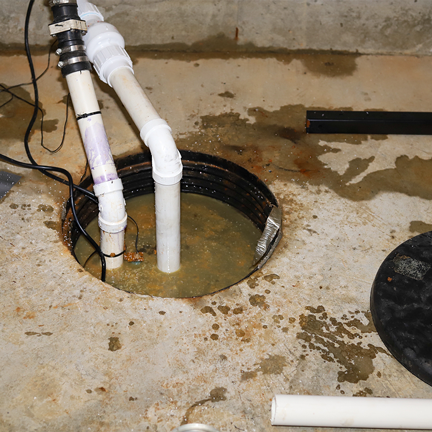
A sump pump is one of those things most homeowners never think about until it stops working. The problem is that when a sump pump fails, it usually happens during the exact conditions when you need it most: heavy rain, rising groundwater, or a major storm.
One of the most common questions we hear is whether replacing a sump pump is something a homeowner can do themselves or if it's better to hire a professional. The answer depends on more than just the pump itself.
As a plumbing company serving Springfield, IL and the surrounding area, Steve Ray Plumbing regularly replaces, repairs, and services sump pump systems of all types. We've also seen simple pump swaps turn into expensive repairs because important details were overlooked.
When a Sump Pump Replacement Can Be a DIY Project
In the right situation, replacing a sump pump can be a very manageable DIY project.
If you're simply removing an old pump and installing an identical replacement, many homeowners can handle the job safely and successfully.
A DIY replacement is generally reasonable when:
The new pump matches the horsepower, size, and discharge location of the existing unit
The existing discharge piping is in good condition
The check valve is functioning properly
A dedicated GFCI outlet is already installed next to the sump basin
The discharge pipe uses rubber couplings that allow for easy disconnection and reconnection
When everything is already set up correctly and you're performing a straightforward one-for-one replacement, the process is often simpler than many people expect.
Why a Simple Pump Swap Isn't Always So Simple
The challenge is that homeowners often focus on replacing the pump while overlooking the rest of the system.
A sump pump is only one component in a larger drainage system. If another part of that system is failing, installing a brand-new pump may not solve the problem.
This is where professional experience becomes valuable.
When we inspect a sump pump system, we're not just looking at the pump itself. We're evaluating:
The condition of the discharge piping
The performance of the check valve
The operation of the float switch
The electrical supply
The overall drainage setup
Signs of premature wear or recurring problems
Many homeowners assume all sump pumps are basically the same. In reality, pump quality, reliability, serviceability, and performance can vary significantly between models and manufacturers.
The Most Common DIY Mistakes We See
One of the biggest mistakes homeowners make is purchasing a replacement pump without considering serviceability. Many people choose a unit based solely on price or horsepower. They don't realize that some pumps are designed with components that are much easier to repair or replace down the road. That decision can impact maintenance costs for years.
Another common mistake is overlooking the check valve. A check valve is relatively inexpensive, but it's one of the most important components in the system. If the old check valve is failing and isn't replaced, it can create unnecessary wear and stress on the new pump. We've seen homeowners install a brand-new pump only to have it cycle excessively because an aging check valve was never replaced. The result is often premature wear, reduced efficiency, and a shorter lifespan for the new equipment.
Warning Signs Your Sump Pump May Be Nearing Failure
Many sump pump failures don't happen without warning. The problem is that homeowners often don't recognize the signs until it's too late. If you're not sure whether your system is prepared for the next heavy rainfall, check out our guide on whether your sump pump is ready for rain before storm season arrives.
Your Pump Is More Than 10 Years Old
Most sump pumps have an expected lifespan of around ten years. Even if the unit appears to be working normally, internal components wear down over time. Waiting for a complete failure can leave you vulnerable during the next major rain event.
The Pump Cycles Constantly
A pump that turns on and off repeatedly during light rainfall is often signaling a problem. Frequent cycling can indicate issues with the float switch, check valve, or system configuration.
You Hear Unusual Noises
A healthy sump pump should operate with a smooth, consistent sound. Grinding, rattling, clunking, or excessive vibration can indicate worn bearings, motor problems, or internal component failure.
Rust and Corrosion Are Visible
Visible rust and corrosion should never be ignored. Corrosion can weaken the housing and eventually lead to leaks or mechanical failure.
The Float Switch Isn't Working Properly
The float switch is one of the most common failure points we encounter.
A failing switch may cause the pump to:
Run continuously until the motor burns out
Fail to activate when water enters the basin
Operate inconsistently
A simple test is to pour water into the sump pit and observe how the system responds.
Your Energy Bills Are Increasing
An aging pump often becomes less efficient over time. When motors begin to struggle, they draw more power and work harder to accomplish the same task. In some cases, an unexplained increase in electrical usage can be traced back to an inefficient sump pump.
A sump pump may not be the only system contributing to higher utility bills. If your air conditioner is running constantly but your home still feels warm, read our guide to why your AC is not cooling to learn about common HVAC problems and the checks homeowners can safely perform themselves.
A Real Example of Why Professional Service Matters
Recently, a customer contacted us about a sump pump issue that turned out to be a failed switch. Instead of simply replacing the failed component and moving on, we were able to replace the pump with a better brand under the original warranty and transfer the extended warranty coverage to the new unit at no cost to the homeowner.
The customer was pleasantly surprised not only by the speed of service but also by the fact that we handled the warranty process and improved the system without additional charges. That's an aspect of professional service many homeowners don't consider.
Sometimes the value isn't just the installation itself. It's understanding product warranties, identifying better replacement options, and making sure the entire system is set up for long-term reliability.
What Most Homeowners Get Wrong About Hiring a Professional
The biggest misconception we encounter is that a professional is simply swapping one pump for another. That's rarely the case. An experienced plumber is evaluating the entire drainage system because they know exactly what they're looking at.
They're checking for issues that may not be obvious to the average homeowner, including:
Improper discharge configurations
Failing check valves
Electrical concerns
Drainage problems
Undersized or oversized equipment
Early signs of system failure
A homeowner may successfully replace the pump itself, but still miss a problem that leads to future flooding.
So, Should You DIY or Hire a Professional?
If you're performing a straightforward replacement with an identical pump and the rest of the system is in good condition, a DIY installation can absolutely be a reasonable option.
However, if there's any uncertainty about the condition of the discharge piping, check valve, electrical system, or drainage setup, bringing in a professional for a sump pump inspection can help identify issues before they become expensive problems.
At the end of the day, replacing a sump pump isn't always about installing a new piece of equipment. It's about making sure the entire system is ready to protect your home when you need it most.
If you're unsure whether your sump pump is ready for another season or you're considering a replacement, Steve Ray Plumbing can help. Our team provides sump pump inspections, repairs, and replacements for homeowners throughout Springfield, IL and the surrounding communities, helping ensure your basement stays protected when it matters most.


